Skip to content
Edible Gold Leaf Across the World - Chile
- by sam@wrightsoflymm.co.uk User
Introduction
Edible gold leaf has long been a symbol of prestige, wealth, and artistry. While its origins stretch back to ancient Egypt, Rome, and Japan, Chile has embraced this luxurious element in unique ways that blend cultural history with modern gastronomy. In today’s culinary landscape, restaurants, chocolatiers, and mixologists across Chile are experimenting with 23 carat and 24 carat gold leaf, as well as silver leaf, gold flakes, silver flakes, gold dust, and silver dust, to elevate dining experiences into unforgettable moments.
Ancient Inspirations and Chilean Gold Heritage
Chile’s relationship with precious metals dates back thousands of years. The Mapuche and other indigenous peoples used gold for ceremonial ornaments, jewellery, and trade. Although edible gold leaf itself was not a part of pre-Columbian diets, the symbolic importance of gold set the stage for its later adoption.
During the colonial era, Spanish influence introduced European luxury traditions, including the use of metallic foils in decoration. While gold was mostly reserved for church altars and artwork, this cultural reverence for the material helped pave the way for its eventual presence in Chilean cuisine.
The Arrival of Edible Gold Leaf in Chilean Cuisine
By the late 20th and early 21st centuries, Chilean gastronomy began embracing international fine dining trends. With Santiago developing into a global culinary hub, chefs began importing 24 carat and 23 carat gold leaf to decorate pastries, truffles, cocktails, and even seafood dishes.
-
24 carat gold leaf is considered the purest and safest for consumption. It offers a brilliant, rich shine without altering taste.
-
23 carat gold leaf provides a slightly warmer hue, often preferred for chocolate or desserts.
-
Silver leaf and silver flakes soon followed, complementing gold with a cooler, modern metallic touch.
The introduction of these materials allowed Chilean chefs to align with Michelin-star standards while adding a distinctly local flair.
Gold Leaf in Chilean Gastronomy Today
In contemporary Chile, edible goldleaf is most often seen in high-end restaurants and luxury hotels. Some common uses include:
-
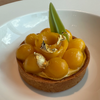
Fine Pastry & Chocolates: Artisanal chocolatiers use gold flakes and silver flakes to decorate truffles, pralines, and celebration cakes.
-
Cocktails & Mixology: Mixologists in Santiago and Valparaíso craft signature cocktails finished with floating gold dust or shimmering silver dust, giving drinks a dazzling effect.
-
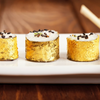
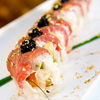
Seafood Specialties: In a country famed for its coastline, chefs occasionally highlight oysters, ceviche, or sashimi with 23 carat gold leaf, symbolizing the fusion of Chile’s natural bounty with global luxury.
-
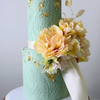
Festive Events & Weddings: Edible gold is increasingly popular at weddings, where cakes or champagne glasses are rimmed with 24 carat gold flakes for an unforgettable aesthetic.
Cultural Significance in Chile
Beyond its visual appeal, edible gold leaf in Chile carries symbolic value. Gold has long been tied to wealth, purity, and divine energy. Incorporating goldleaf into gastronomy pays homage to both Chile’s indigenous heritage and its globalized culinary evolution. For locals and tourists alike, a dessert adorned with gold dust or a cocktail kissed with silver dust is more than indulgence—it is a bridge between tradition and innovation.
The Difference Between Gold Leaf and Gold Flakes
It’s important to note the distinctions:
-
Gold leaf refers to ultra-thin sheets of pure gold, usually 23 carat or 24 carat, carefully applied to surfaces.
-
Gold flakes are broken pieces of leaf, perfect for sprinkling.
-
Gold dust consists of finely ground particles, adding sparkle to drinks and desserts.
-
The same variations exist with silver leaf, silver flakes, and silver dust, giving chefs a wider palette of metallic luxury.
In Chile, chefs often combine these formats to achieve layered textures and effects.
The Future of Edible Gold Leaf in Chile
As Chile continues to rise in global culinary rankings, edible goldleaf is expected to play an even greater role. With sustainability and creativity at the forefront, chefs are experimenting with combining gold dust and silver flakes with native ingredients like maqui berries, pisco, or Chilean chocolate. This blend of luxury creates a unique identity for Chile on the world’s gastronomic stage.
Conclusion
From pre-Columbian reverence for gold to today’s thriving culinary scene, Chile’s journey with edible gold leaf reflects a broader story of tradition, innovation, and global influence. Whether in the form of 24 carat gold leaf, 23 carat gold flakes, silver leaf, silver flakes, gold dust, or silver dust, these shimmering elements transform Chilean dishes into works of art—celebrating both the past and the future of fine dining.